No. And thank you for noticing.
We call ourselves theachers — and yes, we also teach. But we don’t just teach.
Everyone is teaching. Since childhood, we’ve been taught — facts, formulas, frameworks. Teaching is essential when our brains are still developing. It helps pass down humanity’s hard-earned knowledge.
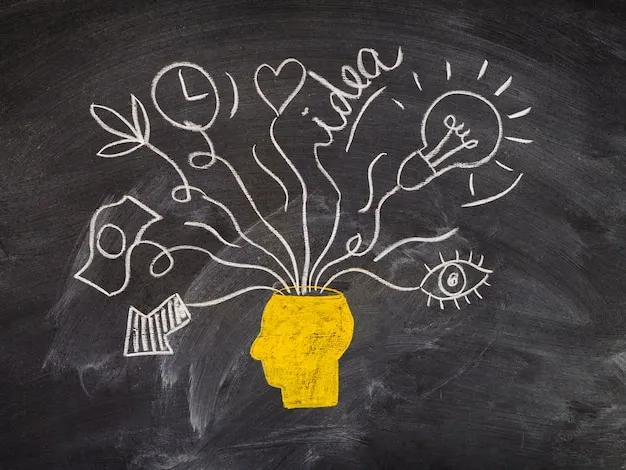
But if teaching fills minds, theaching opens them.
- Teaching gives answers. Theaching builds understanding — so you can find your own.
- Teaching transmits knowledge. Theaching questions it.
- Teaching helps you think. Theaching helps you think about thinking.
The world is changing fast. What was once knowledge becomes nonsense in a new context. Because knowledge is system-specific, but understanding is system-adaptive.
That’s why at SystemsWay, we say we don’t just build thinkers. We build theachers. We’ve done the thinking about thinking — to expose where our inherited ways of thinking work, and where they trap us. Especially in human systems — where most suffering hides in plain sight.
If you’re unsure what the difference is between knowledge and understanding, check out our course: Systems of Knowledge.
And next time you spot “theacher,” ask yourself:
Are you still learning what to think, or are you finally learning how?
Next time you see that word, think about yourself. Do you want to be taught or theached? The difference is massive — and it will only grow as the world becomes more complex, where you must find your own answers using understanding while AI holds humanity’s knowledge but not its understanding.
These words throw many people off — you’re not alone. No wonder people who attend our courses call it a “paradigm shift.” It’s not what the rest of society will teach you.